Brazil Beat Japan in the Round of 32 to Advance to the Round of 16
Brazil got the better of Japan in the Round of 32 of the 2026 World Cup, taking another step toward defending their title. In front of 68,777 spectators at NRG Stadium, the Seleção won a gripping contest 2:1, showing their technical superiority for large stretches of the match.
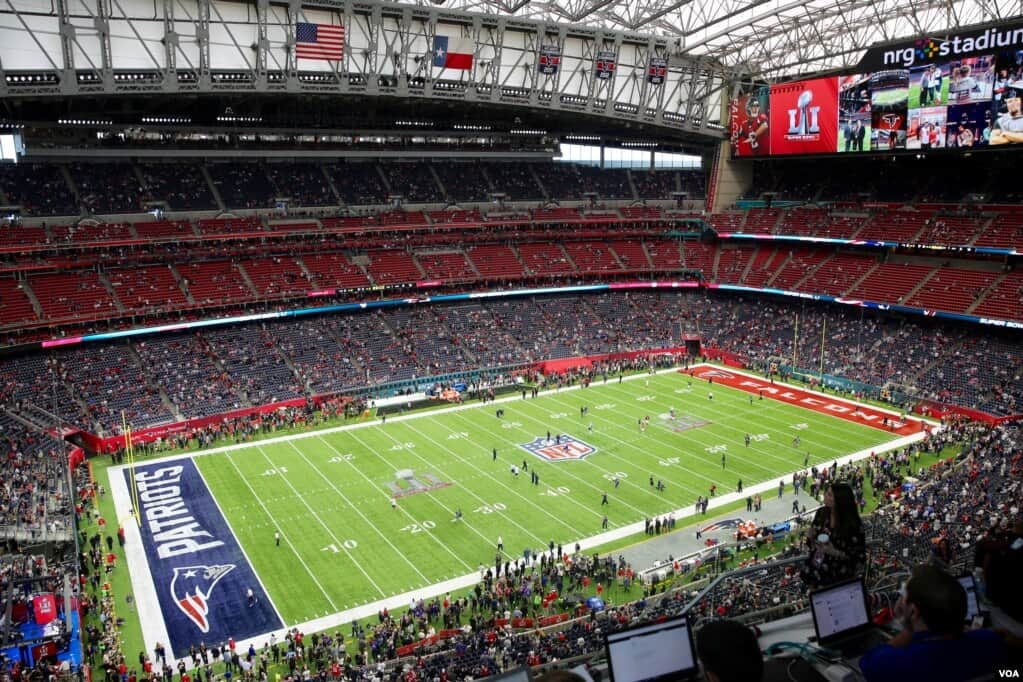
Brazil beat Japan in the round of 32 and advance to the round of 16 · VOA News / Wikimedia Commons (Public domain)
The Brazil-Japan scoreline ended up closer than the statistics might have suggested, as Japan held firm for a long time and even took the lead before the South Americans turned the game around.
What Happened in the Match
The Asian underdogs surprised early on. In the 29th minute, Kaishu Sano scored to put Japan ahead - a sharp jab against the possession-dominant favorites that briefly silenced the crowd at NRG Stadium.
Brazil, however, didn't let it rattle them. After the break, Casemiro took charge and equalized to make it 1:1 in the 56th minute. The match remained open for a long time after that, until Gabriel Martinelli struck the decisive goal in stoppage time of the second half, in the 90+5th minute, sealing the 2:1 final score.
Key Facts About the Match
- Competition: FIFA World Cup 2026, Round of 32
- Date: June 29, 2026
- Venue: NRG Stadium, 68,777 spectators
- Final Score: Brazil 2:1 Japan
- Referee: Maurizio Mariani
- Goalscorers: Kaishu Sano (29'), Casemiro (56'), Gabriel Martinelli (90+5')
Match Report in Detail
The Brazil-Japan match report shows a clear pattern: Brazil controlled proceedings almost from the outset, though they initially struggled to create genuine danger against a well-organized Japanese side.
The statistics underline the Seleção's dominance:
- Possession: 68.6% (Brazil) to 31.4% (Japan)
- Shots: 19 to 5
- Shots on target: 7 to 2
- Corners: 6 to 2
- Passes: 682 to 313
Despite this overwhelming share of the play, it was Japan who struck first. Kaishu Sano ruthlessly converted one of his side's few chances, putting the Japanese team ahead. Japan's defensive effort, backed by a compact structure around goalkeeper Zion Suzuki, kept Brazil at arm's length for a long time.
It wasn't until after the break that the Seleção found the right answers. Casemiro, one of the most experienced players in the squad, equalized in the 56th minute, injecting fresh momentum into Brazil's attack. From that point on, Brazil kept up the pressure, though they couldn't immediately add a second goal - Japan defended with discipline, which was reflected in the notably high foul count of 13 compared to just 4 on Brazil's side.
The decisive moment finally came in stoppage time: Gabriel Martinelli scored the much-celebrated winner in the 90+5th minute, securing Brazil's place in the next round.
The Starting Lineups
Brazil: Alisson Becker - Gabriel Magalhães, Marquinhos, Douglas Santos, Danilo - Casemiro, Lucas Paquetá, Bruno Guimarães - Matheus Cunha, Vinícius Júnior, Rayan
Japan: Zion Suzuki - Shogo Taniguchi, Hiroki Ito, Takehiro Tomiyasu - Daichi Kamada, Kaishu Sano, Keito Nakamura, Ritsu Doan - Ayase Ueda, Daizen Maeda, Junya Ito
Analysis: Why Brazil Remained Favorites Despite Falling Behind
Anyone following the Brazil vs Japan World Cup 2026 clash could see the numbers clearly favored the Seleção. With nearly 70 percent possession and almost four times as many shots as Japan, Brazil dominated the midfield and build-up play for almost the entire match.
Attacking threats Vinícius Júnior and Matheus Cunha, both among the tournament's top scorers so far, were repeatedly involved in dangerous attacking moves and kept constant pressure on the Japanese defense. That Japan managed to keep pace for so long despite being outplayed was largely down to their disciplined defensive work and the saves of Zion Suzuki, who made four more saves than his counterpart Alisson Becker.
The 13 fouls committed by Japan - compared to just 4 by Brazil - also show just how much the team had to fight against the South Americans' relentless pressure. In the end, though, that fighting spirit wasn't enough to stop Brazil from advancing to the next round.
What's Next
With the win in the Round of 32, Brazil move into the Round of 16 of the 2026 World Cup and remain on course to back up their ambitions in the tournament. For Japan, the tournament ends after a spirited showing against one of the competition's favorites.
How the rest of the tournament unfolds for Brazil will depend largely on how well the team can convert its attacking strength - led above all by Vinícius Júnior and Matheus Cunha - into goals against upcoming opponents.
FAQ on the Brazil vs Japan Match
How did the Brazil vs Japan match end at the 2026 World Cup?
Brazil won the Round of 32 clash 2:1 against Japan.
Who scored the goals in the Brazil vs Japan match?
Kaishu Sano put Japan ahead in the 29th minute. Casemiro equalized in the 56th minute, before Gabriel Martinelli scored the winning goal for Brazil in the 90+5th minute.
Where was the match played?
The match was held at NRG Stadium in front of 68,777 spectators.
Who was the referee for the match?
Maurizio Mariani was the referee in charge of the match.
What's next for Brazil after their win over Japan?
With the win in the Round of 32, Brazil move into the Round of 16 of the 2026 World Cup.
Frequently Asked Questions
Brazil won the round of 32 match 2-1 against Japan. The favorites prevailed despite trailing at one point.
Kaishu Sano put Japan ahead in the 29th minute. Casemiro equalized in the 56th minute, before Gabriel Martinelli scored the winning goal for Brazil in the 90+5th minute.
The match was played on June 29, 2026, at NRG Stadium in front of 68,777 spectators.
Maurizio Mariani was the referee in charge of the match.
Japan clinched one of its few scoring opportunities in ice-cold fashion, with Kaishu Sano finding the net in the 29th minute. Japan's compact defense initially made it difficult for Brazil to create clear-cut chances.
Brazil had 68.6 percent possession compared to Japan's 31.4 percent. In shots on goal, Brazil led 19 to 5, and in shots on target, 7 to 2.
Zion Suzuki made four more saves than his counterpart Alisson Becker, keeping Japan in the game for a long time. Alongside the disciplined defensive work, his saves were a key reason why the match stayed close for so long.
Japan committed 13 fouls compared to just 4 for Brazil, reflecting the South Americans' constant pressure. The high number of fouls shows just how hard Japan's defense had to fight against the Brazilian attacks.
Alisson Becker stood in goal, with Gabriel Magalhães, Marquinhos, Douglas Santos, and Danilo forming the defense in front of him. In midfield and attack, Casemiro, Lucas Paquetá, Bruno Guimarães, Matheus Cunha, Vinícius Júnior, and Rayan took to the field.
Zion Suzuki guarded Japan's goal, while Shogo Taniguchi, Hiroki Ito and Takehiro Tomiyasu formed the defense. The rest of the squad included Daichi Kamada, Kaishu Sano, Keito Nakamura, Ritsu Doan, Ayase Ueda, Daizen Maeda and Junya Ito.
The stats clearly favored the Seleção, who recorded nearly 70 percent possession and significantly more shots on goal. In addition, attacking players like Vinícius Júnior and Matheus Cunha were consistently involved in dangerous offensive actions.
With this round-of-32 win, Brazil advances to the round of 16 at the 2026 World Cup. How far the team goes will largely depend on how consistently the attacking power of Vinícius Júnior and Matheus Cunha is converted into goals.
For Japan, the tournament ends after the round of 32 against one of the tournament favorites. The team, however, showed a courageous and disciplined performance.
You might also like

Ivory Coast Beat Ecuador Thanks to Late Diallo Show
A goal in the final minute has secured Ivory Coast their first win of the Group E campaign. In the Ivory Coast vs Ecuador World Cup 2026 clash, the African side came out on top 1:0 against Ecuador on 14 June 2026 –…

Spain Demolishes Austria to Cruise Into the Round of 16
Spain sent a clear message on the opening day of the Round of 32 at the 2026 FIFA World Cup. In the Spain vs Austria World Cup 2026 clash, the Spanish side ran out 3:0 winners at SoFi Stadium, dominating their Austrian…
France Demolish Iraq: Mbappé Brace Paves the Way to Clear 3-0 Win
France made the kind of start to the 2026 World Cup you'd expect from a favorite. In the France vs Iraq World Cup 2026 clash, the favorites won 3-0 at Lincoln Financial Field on June 22, 2026 – a clear-cut victory with…